Random Rewards for Community Activities
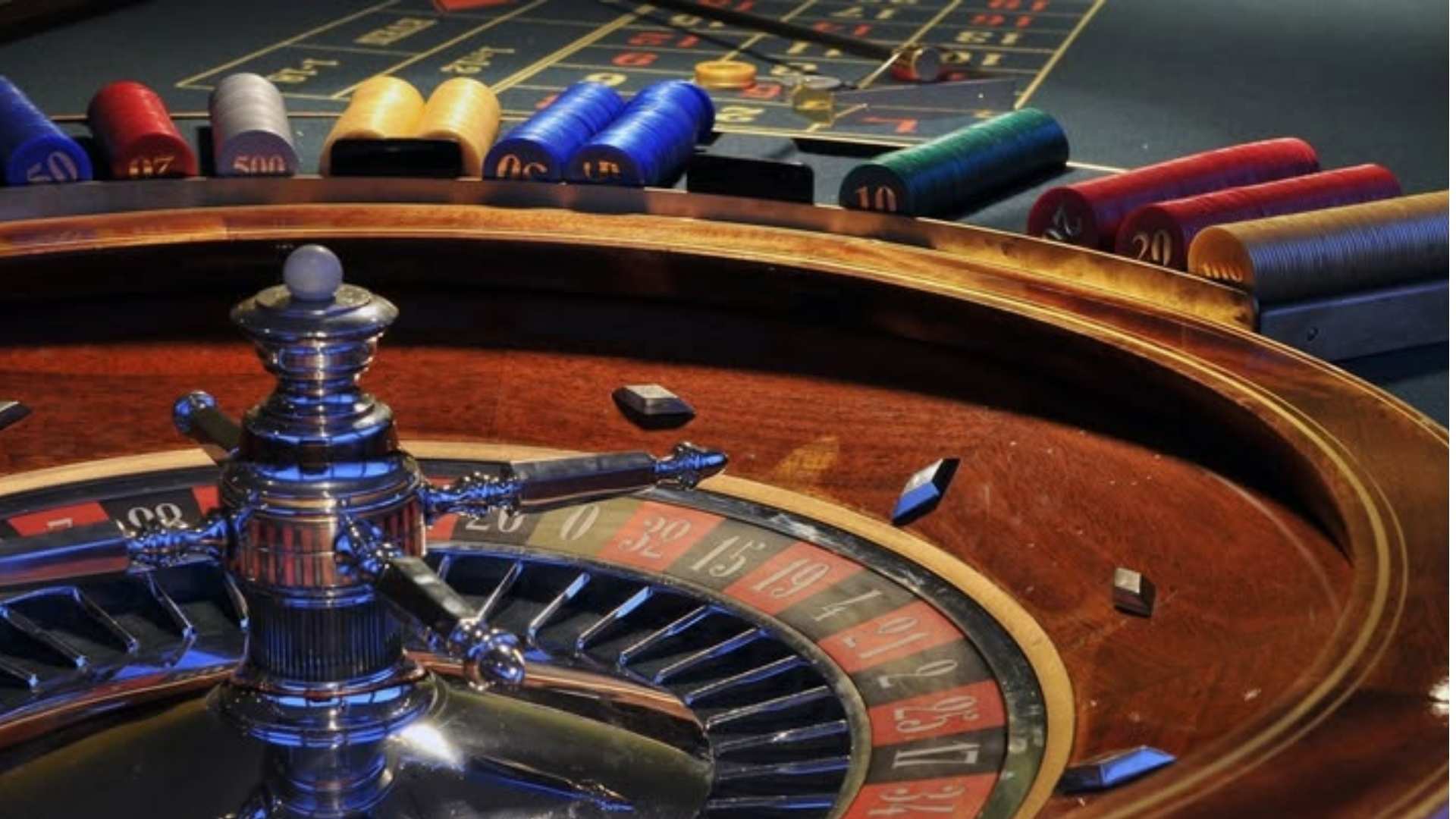
Building a vibrant community requires consistent engagement, but maintaining high participation rates over long periods remains a challenge for many local organizations. Traditional recognition programs often lose their charm when outcomes become entirely predictable, leading to flat levels of interaction. To combat this stagnation, many community builders are borrowing psychological strategies from interactive entertainment by introducing random rewards.
The Psychology of Unpredictable Incentives
Behind the success of unpredictable benefits lies a powerful neurological mechanic known as the variable reward system. When participants are unsure what they will receive for their efforts, their brains experience an increase in engagement and focus. This variable schedule prevents everyday interactions from becoming repetitive and boring.
By transforming community service or neighborhood cleanup tasks into a game of chance, organizers can drive persistent effort. The anticipation of the reward itself becomes a motivational driver, keeping volunteers excited about their next contribution. This strategy ensures that local networks stay dynamically active across various digital and physical spaces.
Fostering Trust Through Transparency
While uncertainty generates excitement, it must be paired with clear boundaries to ensure long-term community trust. Participants need to know that the selection processes are fair and that everyone has an equal shot at winning prizes. Organizers should clearly outline the criteria required to enter any raffle or mystery drawing before the activities begin.
A transparent approach helps mitigate skepticism, transforming potential doubt into shared curiosity. For those seeking structured systems where odds are clearly visible, exploring options at M88 togel can provide insight into how detailed allocation models work. Similarly, grassroots programs benefit when probability pools remain fully visible to all members.
Nurturing Long-Term Social Bonds
The ultimate goal of using surprise incentives is not just immediate participation, but sustainable community loyalty. When a neighbor unexpected wins a token of appreciation during a meeting, it creates a memorable experience that resonates with the entire group. This positive reinforcement shifts the focus from singular transactions to continuous collective progress.
Over time, these shared moments of surprise help build strong relationships among diverse participants. As individuals continue to interact, the social connection naturally expands beyond the incentive structure itself. Consequently, random reinforcement acts as a catalyst for deeper organic collaboration within local neighborhoods.